
The Caregiver’s Paradox: Why Nurses Need to Put Themselves on the Chart
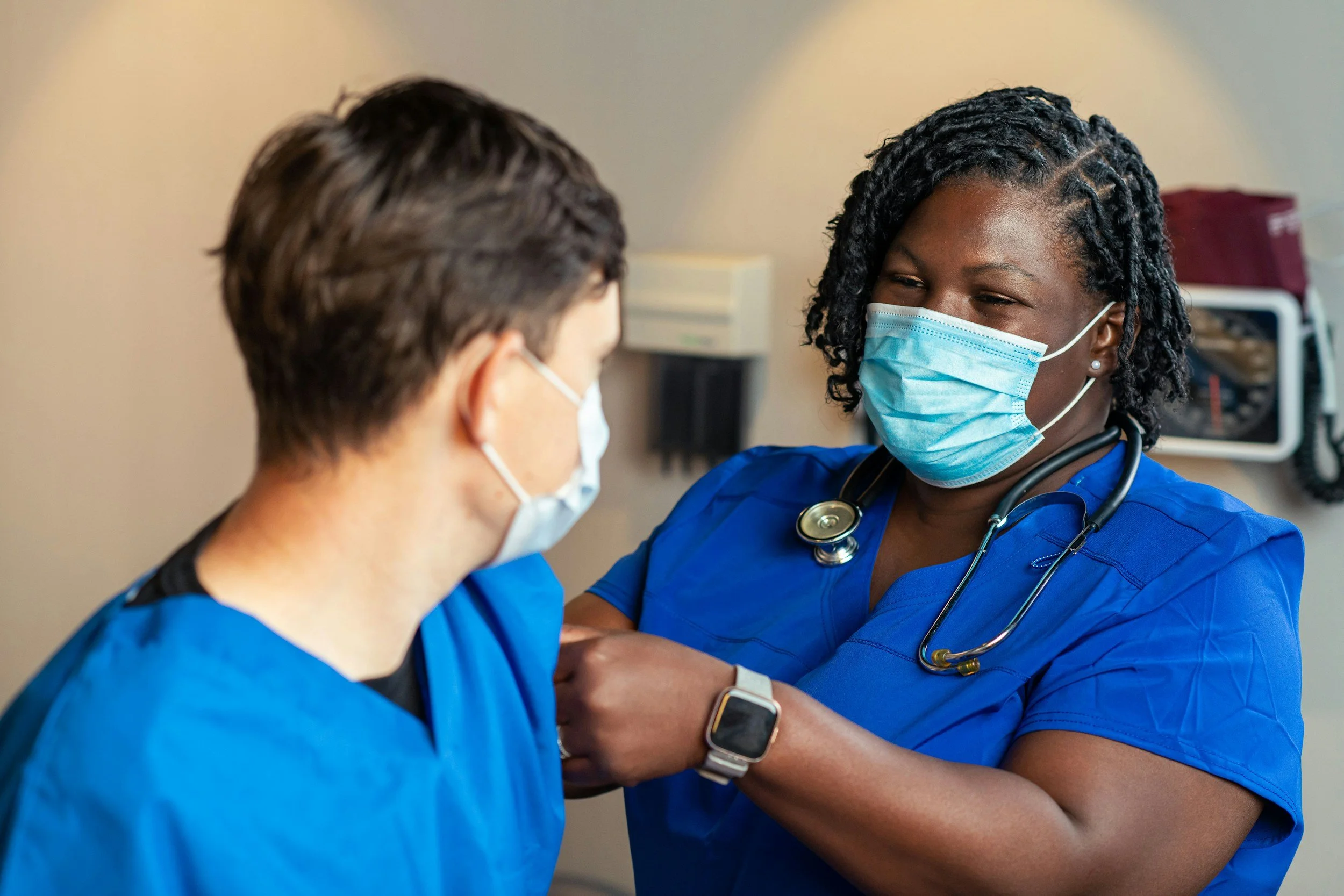
Nurses are the heartbeat of healthcare—on their feet for 12-hour shifts, juggling patient care, critical thinking, and emotional support often without missing a beat. But here’s the paradox: the very people who spend their lives protecting others’ health are among the most likely to neglect their own.
The Hidden Toll of Nursing
Studies have shown that nurses experience higher-than-average rates of burnout, musculoskeletal injuries, sleep deprivation, and stress-related conditions. Long hours, rotating shifts, and emotional strain can lead to:
Chronic fatigue that lingers even after days off
Weakened immune response making colds, flu, and infections harder to fight
Emotional exhaustion that chips away at job satisfaction and personal joy
Self-Care Is Not Selfish—It’s Survival
In nursing culture, there’s often an unspoken rule: patients first, always. While admirable, this mindset can quietly erode your ability to care for anyone—including your patients—if you’re running on empty.
Think of it like oxygen masks on an airplane: if you can’t breathe, you can’t help the person next to you.
Evidence-Based Self-Care for Nurses
Here are small, science-backed changes that fit into even the busiest schedules:
Micro-movement breaks – Stretch your shoulders, roll your ankles, or take three deep breaths between patient visits. Even 2–3 minutes of movement can reduce stiffness and improve circulation.
Hydration with intent – Keep a refillable bottle at your station. Mild dehydration can mimic fatigue and slow reaction time.
Nutrition that sustains – Pack snacks that balance protein, healthy fat, and complex carbs (think: Greek yogurt with berries, nuts with apple slices). Avoid the “sugar crash” from break-room donuts.
Boundary setting – Saying “no” to extra shifts isn’t a lack of dedication—it’s a long-term investment in your ability to keep doing the job you love.
Mindfulness in motion – Practice mindful walking on your way to a patient room. Focus on your breath and steps to reset your nervous system between high-stress interactions.
The Ripple Effect of Self-Care
When nurses prioritize their own health, patient care improves. Alertness, empathy, and critical thinking sharpen. Morale rises. And perhaps most importantly, self-care models healthy behavior for colleagues and even patients, reinforcing the message that well-being is a shared value in healthcare.
Takeaway
Nursing is more than a profession—it’s a calling. But no calling should come at the cost of the caller’s health. By putting yourself “on the chart,” you don’t just protect your well-being—you strengthen the very foundation of care you provide.