
Feng Shui for Nurses: Creating Calm in a High-Stress Profession
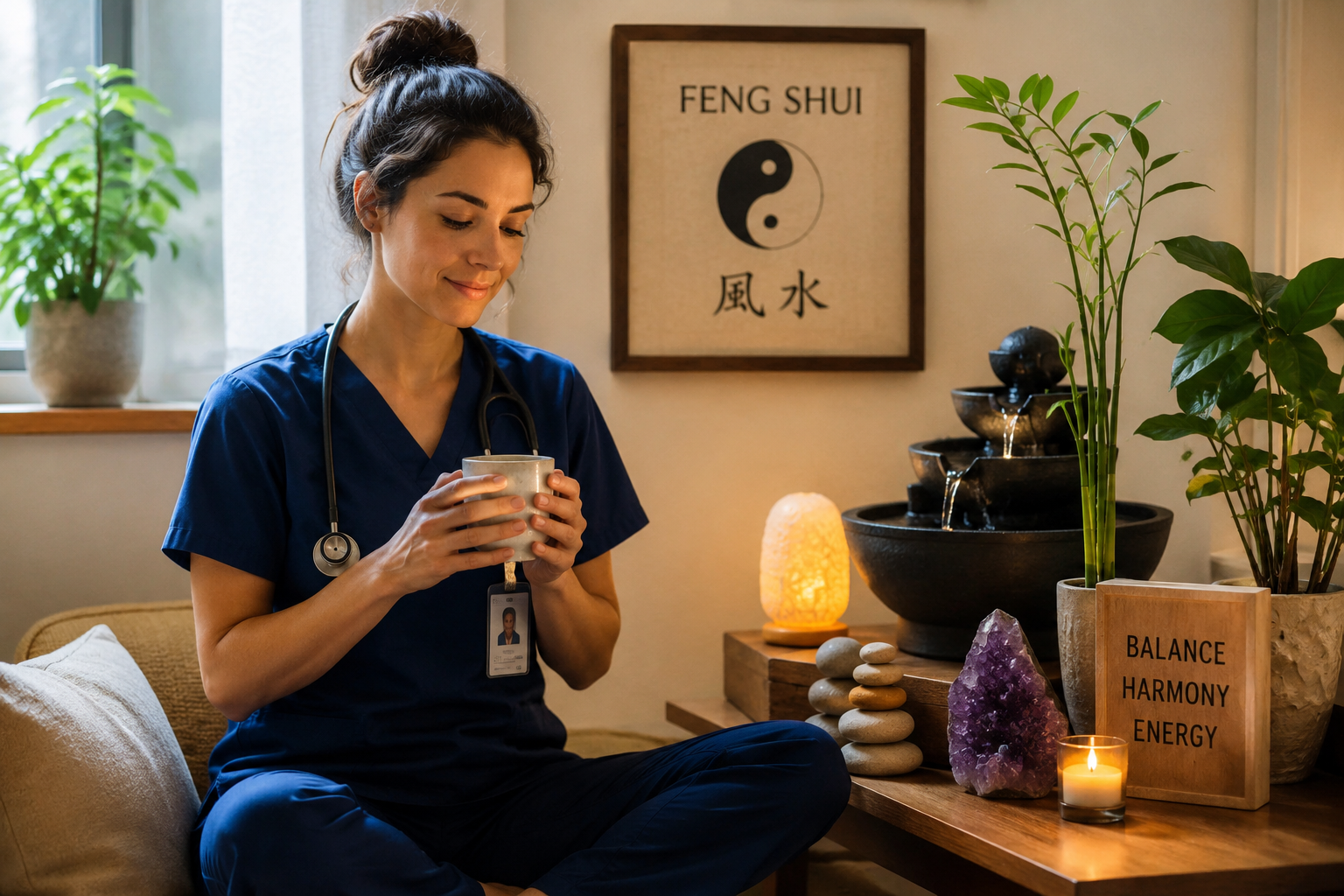
Nursing is one of the most demanding professions in healthcare. Long shifts, constant decision-making, emotional challenges, and physical exhaustion can quickly drain even the most dedicated caregiver. While no decorating technique can replace rest or self-care, creating an environment that supports recovery can make a meaningful difference.
Feng Shui, an ancient practice focused on creating balanced, supportive spaces, offers simple principles that can help nurses feel more grounded and relaxed when they return home.
1. Make Your Entryway Feel Welcoming
The entrance to your home sets the tone for your entire space. A cluttered doorway can make it difficult to mentally leave work behind.
Try to:
Keep shoes, bags, and work supplies organized.
Ensure the entrance is well-lit.
Add a healthy plant or a small decorative item that makes you smile.
Creating a welcoming entrance can help signal the transition from work mode to home mode.
2. Prioritize a Restful Bedroom
Quality sleep is essential for nurses, especially those working rotating or overnight shifts.
Consider:
Keeping the bedroom as dark and quiet as possible.
Removing unnecessary clutter.
Choosing calming colors such as soft blues, greens, creams, or warm neutrals.
Keeping electronics to a minimum when possible.
The bedroom should feel like a sanctuary dedicated to recovery.
3. Clear Everyday Clutter
Clutter doesn't just take up physical space—it can also create visual stress.
Start with one small area:
Clear off your nightstand.
Organize your kitchen counters.
Put away laundry regularly.
Donate items you no longer use.
Small improvements often create the biggest sense of relief.
4. Bring Nature Indoors
Natural elements help create a calming atmosphere.
Simple ideas include:
Houseplants that fit your lifestyle.
Fresh flowers when possible.
Natural wood furniture.
Opening windows for fresh air.
Even a single healthy plant can make a room feel more alive.
5. Create a Relaxation Corner
You don't need an entire meditation room.
Choose one comfortable chair or small corner where you can:
Read a book.
Drink tea.
Journal.
Stretch.
Practice deep breathing for five minutes.
Having a dedicated place for relaxation encourages your mind to slow down.
6. Fix Broken Items
One overlooked Feng Shui principle is repairing things that no longer work.
Broken lamps, loose cabinet handles, sticking doors, cracked décor, or burned-out light bulbs can become constant reminders of unfinished tasks.
Fixing small problems often creates a surprising sense of peace and completion.
7. Use Soft, Comfortable Lighting
After spending hours under bright hospital lighting, softer lighting at home can help your nervous system relax.
Instead of relying only on overhead lights, consider:
Table lamps
Warm LED bulbs
Floor lamps
Candles (used safely)
Layered lighting creates a calmer atmosphere.
8. Keep Work Separate from Home
If possible, designate one place for work-related items like scrubs, shoes, ID badges, and equipment.
Avoid leaving them scattered throughout your home. This physical separation can help reinforce the mental boundary between your professional and personal life.
9. Incorporate Personal Meaning
Your home should reflect who you are—not just what you do.
Display things that bring genuine happiness, such as:
Family photos
Artwork
Travel memories
Handmade items
Favorite books
Surrounding yourself with meaningful objects helps create a stronger sense of comfort and belonging.
10. Remember That Progress Matters More Than Perfection
Feng Shui isn't about achieving a perfectly designed home. It's about creating a space that supports your wellbeing.
Even small changes—clearing a countertop, adding a plant, fixing a broken drawer, or making your bed each morning—can help your home feel more peaceful and restorative.
A Home That Cares for the Caregiver
Nurses dedicate their careers to caring for others. Your home should be a place that cares for you in return.
By making intentional choices about your environment, you can create a space that encourages rest, balance, and renewal—qualities that benefit not only your own wellbeing but also the compassionate care you provide every day.
Sometimes, the greatest act of self-care begins the moment you walk through your front door.